

Want to know when I share a new recipe? Subscribe today!
Quick & Easy Pastina Recipe
Quick and easy pastina is soft, comforting, and perfect when you want something warm and satisfying without much effort. Tiny pasta shapes are cooked until tender and finished with simple ingredients that create a creamy, cosy bowl in just minutes. It’s brilliant for a light lunch, an easy dinner, or those days when you want proper comfort food without having to think too hard about what to make.


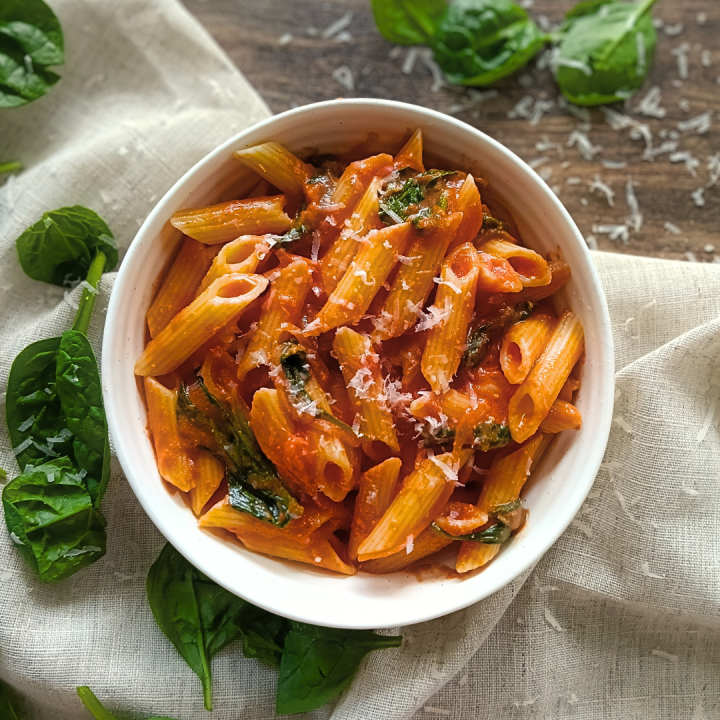

Pastina (Italian Penicilin)

A warm, creamy bowl of pastina is the ultimate in Italian comfort food. Whether you're feeling under the weather, short on time, or simply craving something nostalgic and soothing, this one-pot wonder is a guaranteed hug in a bowl. Made with just a handful of simple pantry ingredients, it comes together in minutes and never fails to satisfy. Perfect for lazy lunches, easy dinners, or those days when only soft, cheesy carbs will do.
Ingredients
- 1 1/2 cups good quality chicken stock
- 1/2 cup stelline pasta (or ditalini, risoni, or similar small pasta)
- 1 tbsp salted butter
- 2 tbsp finely grated Pecorino or Parmigiano Reggiano, plus extra to serve
- Salt and freshly cracked black pepper, to taste
Instructions
- In a small saucepan, bring the chicken stock to a gentle simmer over medium heat.
- Stir in the pasta and a large pinch of salt. Cook uncovered for 6-7 minutes, stirring regularly to prevent sticking, until the pasta is al dente and most of the liquid has been absorbed.
- Remove from the heat and stir through the butter and cheese until melted and creamy.
- Season to taste with salt and pepper and serve immediately with extra grated cheese on top.
Notes
- Pastina is Italian comfort food in its purest form. It's what Italian nonnas make when you're sick, sad, or just need something simple and deeply nourishing. A handful of tiny pasta, good stock, butter, and cheese. That's it.
- The quality of your chicken stock matters enormously here. With so few ingredients, there's nowhere to hide. Use a good homemade stock if you have it, or the best quality store-bought you can find. Stock paste dissolved in hot water works well too.
- Stelline (little stars) are the most traditional pasta shape for pastina, but any tiny pasta will do. Ditalini, risoni, acini di pepe, or even orzo all work beautifully.
- Stir the pasta regularly as it cooks. Small pasta shapes can stick to the bottom of the pan quickly, especially as the stock reduces.
- The pasta absorbs most of the stock as it cooks, which gives you a loose, risotto-like consistency rather than a soup. If it absorbs too quickly before the pasta is cooked through, add a splash more stock or hot water.
- Remove from the heat before adding the butter and cheese. The residual heat is enough to melt everything into a silky, creamy sauce without the risk of the cheese turning grainy.
- Pecorino gives a sharper, saltier flavour while Parmigiano Reggiano is nuttier and more delicate. Both are brilliant. Use whichever you have.
- Be generous with the cheese on top. This is not the dish for restraint.
- I use this small saucepan for pastina. It's the perfect size for a single or double serving and heats the stock quickly and evenly.
- Pastina is best eaten immediately while it's still loose and creamy. It thickens as it sits and the pasta continues to absorb the liquid.
- Not suitable for storing or freezing as the pasta will absorb all remaining liquid and the texture won't survive reheating.
Nutrition Information:
Yield:
2Serving Size:
1Amount Per Serving: Calories: 186Total Fat: 16gSaturated Fat: 8gTrans Fat: 0gUnsaturated Fat: 6gCholesterol: 86mgSodium: 748mgCarbohydrates: 30gFiber: 1gSugar: 4gProtein: 17g
Please note, this nutrition information is to be used as a guide only. Nutrition information isn’t always accurate.
Serve this with
- Serve with my Proper Garlic Bread for dipping into the buttery, cheesy pastina. It keeps everything firmly in comfort-food territory and makes a small bowl feel like a more substantial meal.
- Add roasted broccolini with lemon and Parmesan for a little freshness and texture. Its slight bitterness works really well against the soft, buttery simplicity of the pastina.
- Serve a little Classic Tomato Bruschetta first for an easy Italian-style lunch. The fresh tomato, basil and garlic provide a bright contrast before the warm, comforting pastina.
Want to know when I share a new recipe? Subscribe today!

A Return to the Ritual
It has been far too long since I last shared a recipe, and when I finally sat down to make a bowl of quick and easy pastina, I realised just how much I’d missed the comfort of it all. Not just the dish itself, but the ritual of making something simple and soothing. And while the photos might not win any awards, if you’ve been here for a while, you’ll know that my food has always been more about taste than presentation. This bowl of tiny pasta, slow-simmered broth, and familiar flavours brought a kind of comfort I hadn’t realised I needed. Pastina is the kind of dish that makes you breathe deeper, drop your shoulders, and let the day go.
I’ve been going through a bit of a shift lately. Losing my dad last year tore something open in me, and rather than stopping to grieve, I kept pushing. It’s always been my way to keep busy, keep moving, keep producing. But by the time Christmas rolled around, I was burnt out in a way that felt bone-deep. So I stopped. For the first time in three years, I took a proper break. Two weeks off, no work, no projects, just rest. And in that stillness, I started noticing the things that actually made me feel good. Pastina was one of them. A simple bowl of pasta and broth that made me feel safe, nourished, and held.
As part of this reset, I’ve been paying attention to what my body needs. I’ve cut out foods that were triggering inflammation and started leaning into those that felt healing and grounding. Mediterranean-inspired meals with minimal fuss and maximum comfort. Quick and easy pastina fits perfectly into that. It’s light, it’s warm, and it’s as nurturing as anything I’ve ever cooked. Whether I’m fighting off a cold or just coming home after a hard day, it’s the first thing I crave.

The Healing Power of Pastina
Pastina has long been known as Italian penicillin, and for good reason. It’s not just a meal, it’s a ritual of care. The kind of dish that grandmothers make when someone’s sick, tired, or in need of comfort. There’s no magic to it, just that deeply human need to feel warm and looked after. And honestly, that’s what I’ve needed most lately. Not fixes or distractions, but a little softness.
Similar to risotto, there’s something healing about stirring a pot of broth and pasta, not rushing it, just letting it come together slowly. No measuring cups, no fancy techniques, just instinct and intention. That quiet kind of cooking, the kind that gives you space to think, has been a balm. I’ve been so busy for so long that I forgot how good it feels to cook without urgency. Pastina gave me that gift back.
It’s also incredibly forgiving. Bad day? Pastina. Feeling under the weather? Pastina. Just need a moment to yourself? You guessed it. It meets you where you are, which is something I wish more food did. It doesn’t ask anything of you. It just shows up, warm and familiar, and says, here, take a breath.
Cosy Nights and Self-Care
Friday nights have quietly become sacred to me. They’re the punctuation at the end of a long week, a gentle signal to slow down. I light a candle, pour a glass of wine, and make something that feels like home. My pastina recipe has become my go-to ritual. It doesn’t demand much, but it gives so much back. It’s food that says you don’t need to be productive right now. You just need to be.
I think part of growing older is learning to honour those moments. To not just see rest as something you earn, but something you need. My body has been asking for softness, for calm, for space. And food plays such a big role in that. Not just in what it does to our bodies, but how it makes us feel in the moment. Pastina is comfort. It’s connection. It’s presence.
I used to spend so many of my evenings trying to get ahead, finish one more thing, tick one more task off the list. Now I give myself permission to stop. To eat slowly, to exhale, to be nourished. That bowl of pasta and broth has become my anchor. A simple reminder that care can be quiet. That healing can be gentle. And that sometimes, the best kind of self-care is a soft bowl of something warm, eaten in silence, with nowhere else to be.

Returning to What Feels Good
This season of my life has been about returning. To the things that feel right. To the practices that ground me. To food that nourishes me not just physically, but emotionally. Letting go of complicated meals and leaning into what’s simple, what’s soothing, has been a kind of revelation. Quick and easy pastina isn’t just a recipe, it’s a return to myself.
There’s something about standing in the kitchen, stirring broth, watching the pasta swell and soften, that brings me back to centre. It reminds me that I don’t need to do everything. That being still is allowed. That comfort is enough. I’ve spent so long running on empty, trying to be everything for everyone, that I forgot what it felt like to just be. Pastina has helped me remember.
Tonight, I’ll make it again. I’ll take my time. I’ll pour a glass of wine and let the warmth of the bowl settle me. I’ll sit with the quiet and let myself feel whatever needs to be felt. No rushing. No fixing. Just being. And that, more than anything, is what healing looks like right now.
Frequently asked questions
Why does the quality of the chicken stock matter so much here?
Because there is almost nothing else in the dish. Pastina is four ingredients and the stock is the primary flavour. A thin, watery, or artificially flavoured stock produces a thin, flat bowl of pasta. A good homemade stock or a high quality store-bought one produces something that genuinely tastes nourishing and complete. Stock paste dissolved in hot water is a reliable middle ground.
Why does the pasta need to be stirred regularly?
Small pasta shapes sink to the bottom of the pan and can stick and catch as the stock reduces, particularly in the last couple of minutes when there isn’t much liquid left. Stirring regularly keeps them moving and prevents any from burning on the bottom of the pan.
Why add the butter and cheese off the heat?
The residual heat of the cooked pasta and stock is exactly the right temperature to melt both ingredients into a silky, creamy consistency. Active heat risks the cheese turning grainy and the butter separating rather than emulsifying smoothly into the starchy liquid. Take it off the heat, then stir through.
Ingredient breakdown
Chicken stock
The primary ingredient and the one that determines whether this bowl of pastina tastes deeply nourishing or just adequate. With four ingredients and no aromatics to hide behind, the stock is doing almost all the flavour work. Use the best you have. Homemade is the ideal. A good quality store-bought stock or stock paste dissolved in hot water is a perfectly reliable alternative. The pasta cooks directly in the stock and absorbs most of it, which concentrates the flavour considerably by the time it reaches the bowl.
Stelline pasta
Little star-shaped pasta that is the most traditional shape for pastina, though ditalini, risoni, acini di pepe, or any other very small pasta shape works just as well. The small size is the point because it cooks quickly in the stock and gives you a loose, risotto-like consistency rather than a bowl of soup with pasta floating in it. Stir regularly as it cooks because small pasta shapes sink and stick to the bottom of the pan as the stock reduces.
Salted butter
Stirred through off the heat after the pasta has finished cooking, where it melts into the starchy, reduced stock and creates a glossy, slightly rich coating on every piece of pasta. A tablespoon is enough to make the difference between pastina that tastes like comfort food and pastina that tastes like pasta cooked in stock.
Pecorino or Parmigiano Reggiano
Finely grated and stirred through off the heat with the butter, melting into the residual heat of the pasta and stock into something silky and creamy. Pecorino gives a sharper, saltier flavour. Parmigiano Reggiano is nuttier and slightly more delicate. Both are correct. Use whichever is in the fridge and be generous with the extra grated over the top before serving.
Salt and freshly cracked black pepper
The pasta cooks in salted stock so taste carefully before adding more salt at the end. Black pepper added just before serving adds a warmth and a slight bite that suits the simplicity of the dish.

